

American McGee Developing Spiritual Successor to Alice: Madness Returns
Creator says new project avoids legal issues with EA despite obvious overlap

New Project Sidesteps EA Ownership#
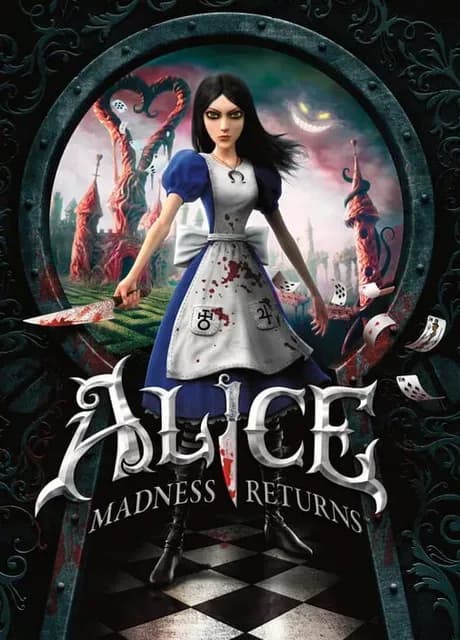
American McGee is developing a spiritual successor to Alice: Madness Returns, according to an interview with GamesRadar+. The game designer, known for his dark reimagining of Lewis Carroll's Alice in Wonderland, says the new project has "a kind of obvious overlap" with his previous work but won't run into legal issues with EA, which owns the Alice IP.
"There's a kind of obvious overlap, but not one that gets us in trouble with the lawyers," McGee told GamesRadar+. The statement suggests the new game will capture the essence of the Alice series - the gothic atmosphere, psychological horror elements, and twisted fairy tale aesthetic - while staying clear of specific copyrighted elements owned by Electronic Arts. This approach is similar to how other developers have created spiritual successors when unable to secure rights to beloved franchises, like how Bloodstained emerged when Konami wasn't interested in making more Castlevania games.
For fans who've been waiting over a decade for a follow-up to Madness Returns, this is potentially huge news. The question is how close McGee can get to the Alice formula without crossing legal lines. He'll likely need to avoid direct references to Wonderland, the Cheshire Cat, the Mad Hatter, and other Carroll-specific characters, but the core gameplay loop of action-platforming through surreal, nightmarish environments built around psychological themes should be fair game.
Moving Beyond Alice#
McGee has been vocal about his desire to continue the Alice franchise, but EA has shown no interest in greenlighting a third game. The publisher's silence on the IP has been frustrating for the dedicated fanbase, especially given how both previous titles found commercial success and critical acclaim despite their niche appeal. Alice: Madness Returns moved over 2 million copies, respectable numbers for a single-player action game with a dark, uncommercial aesthetic.
After years of attempting to secure the rights or approval for Alice: Asylum - a proposed third entry that McGee extensively developed through concept art, narrative outlines, and community crowdfunding efforts - McGee announced in 2023 that he was retiring from the games' industry. The announcement felt like the end of an era for fans who'd followed his attempts to revive the series through Patreon campaigns and public appeals to EA executives. His retirement came after what seemed like genuine exhaustion from fighting corporate indifference to a passion project.
This spiritual successor marks a return to game development on his own terms, without needing EA's blessing or budget. It's unclear whether McGee is working independently, with a small team, or if he's partnered with a publisher willing to back his vision. The indie and AA space has become much more viable for this kind of project since Madness Returns launched in 2011, with games like Lies of P and Blasphemous proving there's a hungry audience for dark, stylized action titles.
The original American McGee's Alice launched in 2000 on PC, published by EA during an era when the company was more willing to take risks on unusual projects. The game stood out in a landscape dominated by more conventional shooters and action games, offering a third-person action-platformer with genuinely disturbing imagery and themes. Its success led to a cult following that kept the franchise alive through a decade-long gap before the sequel.
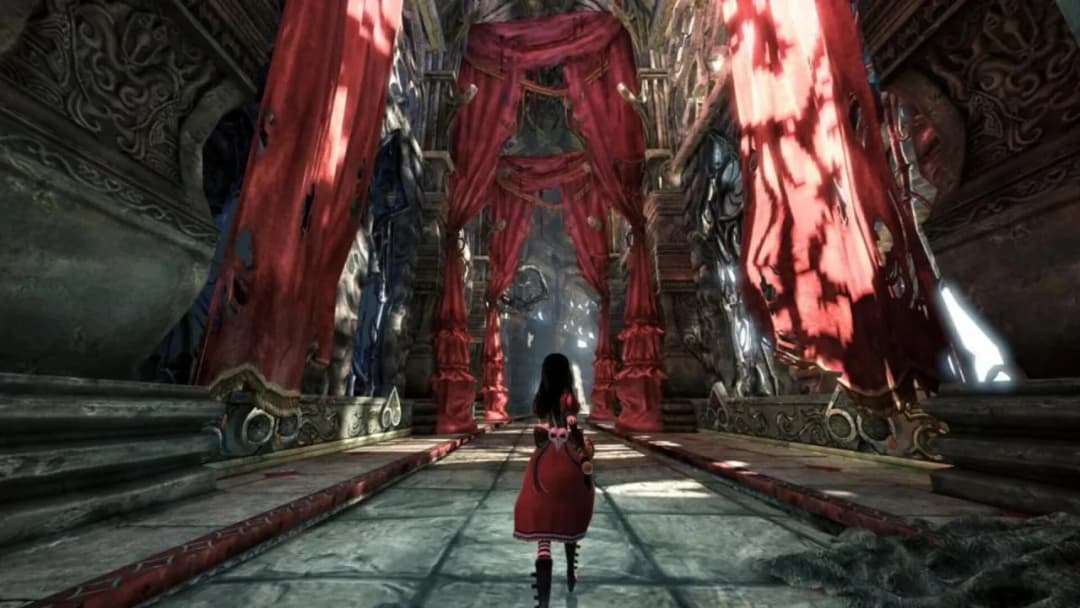
Alice: Madness Returns arrived in 2011 for PC, PlayStation 3, and Xbox 360, expanding on the original's formula with more refined combat, platforming sequences, and a deeper exploration of trauma, survivor's guilt, and institutional abuse. Both games became cult favorites for their psychological horror take on the classic fairy tale, featuring twisted versions of Wonderland and dark themes of mental illness that felt genuinely mature rather than edgy for the sake of it. The art direction, led by Ken Wong (who later created Monument Valley), remains influential in how games approach dark fantasy aesthetics.
The series also tackled heavy subject with more nuance than most games of its era. Alice's journey through her fractured psyche, dealing with the trauma of losing her family in a fire and the abuse she suffered in psychiatric institutions, gave the games emotional weight beyond their striking visuals. It's this combination of style and substance that fans hope will carry over to whatever McGee creates next.
No release window or platforms have been announced for the spiritual successor, and given that the project seems to be in early stages, it could be years before we see anything playable. McGee's return to development also raises questions about scope and budget - will this be a full-scale action game like Madness Returns, or something smaller and more focused? The indie scene has shown that you don't need AAA budgets to create memorable experiences, but the Alice games were known for their elaborate level design and lengthy campaigns.
What would you want to see from a new game in this style? Should McGee stick close to the Alice formula, or use this opportunity to explore new themes and mechanics while keeping the dark fairy tale aesthetic? And more importantly, can a spiritual successor capture what made those games special without the specific imagery and characters that defined them?