

Crimson Desert Dev Confirms Preview Builds Already Used Denuvo DRM
Pearl Abyss addresses performance concerns ahead of launch

Performance Concerns Addressed#
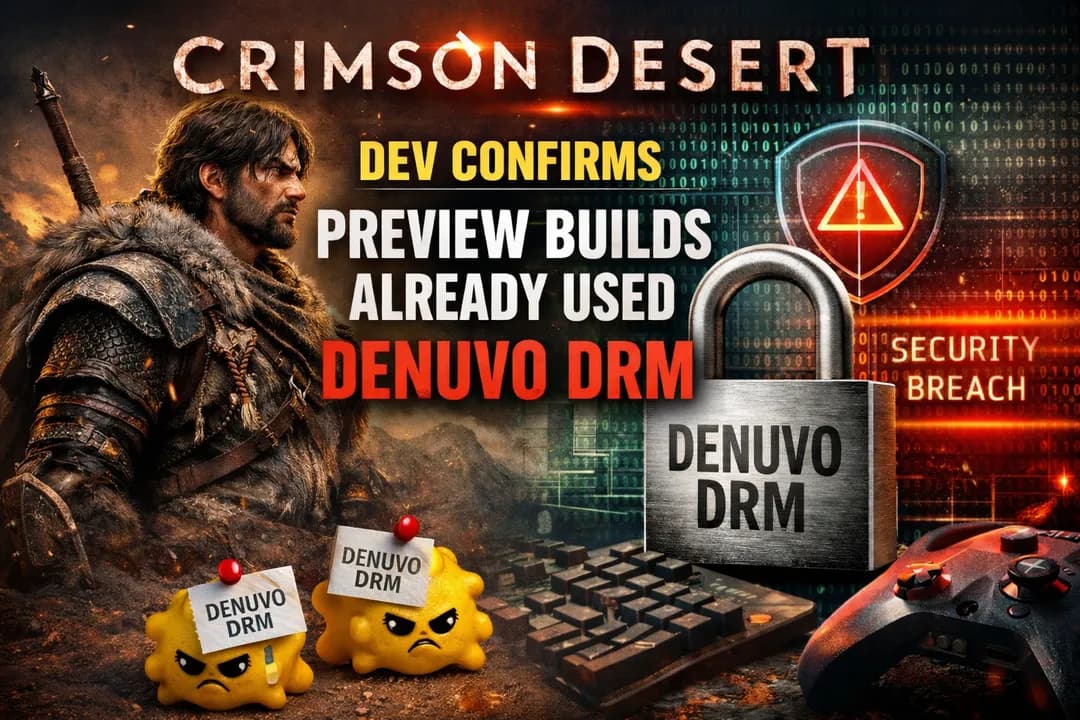
Pearl Abyss has responded to community concerns about Denuvo's potential impact on Crimson Desert's performance. According to a developer statement reported by GamesRadar+, all preview builds and benchmark videos shown to the public already included the same Denuvo DRM implementation that will be present in the final consumer release.
The studio emphasized that the impressive PC performance demonstrated in preview coverage is "representative of the final consumer's experience." This means the smooth gameplay and technical performance showcased by press and content creators was achieved with Denuvo already running in the background - not on some idealized, DRM-free version that would never reach players' hands.
This transparency is notable because publishers often showcase games running on hardware or builds that don't reflect what consumers actually get. By confirming Denuvo was present during all public demonstrations, Pearl Abyss is essentially saying "what you saw is what you'll get," which gives the preview coverage more weight as a performance indicator.
The move also suggests confidence in their optimization work. If Denuvo were causing noticeable performance issues, most studios would avoid drawing attention to its presence in preview builds. Instead, Pearl Abyss is using it as a selling point - proof that their implementation doesn't tank performance the way some feared.
Denuvo's Ongoing Debate#
Denuvo anti-tamper technology remains one of the most contentious topics in the PC gaming community, sparking heated debates that often split along ideological lines. Critics argue the DRM can negatively impact frame rates, load times, and overall system performance, pointing to cases like Resident Evil Village and Tekken 7, where post-launch Denuvo removal reportedly resulted in measurable performance improvements.
The concerns go beyond raw performance metrics. Many players object to Denuvo on principle - the idea that paying customers must run additional software that validates their legitimacy, while pirates who crack the game eventually play without any DRM overhead. There's also the issue of game preservation: Denuvo requires periodic online authentication, which means games could theoretically become unplayable if the authentication servers ever shut down.
Supporters counter that Denuvo's effectiveness at preventing piracy during critical launch windows protects developers' revenue, especially for single-player titles that don't have ongoing monetization. They argue that the performance impact is often overstated or attributed to Denuvo when other factors are actually responsible. Some publishers have stated that Denuvo-protected launches saw significantly better sales than they would have without protection.
The reality is that Denuvo's impact varies wildly depending on implementation. A poorly integrated DRM layer can absolutely cause stuttering and longer load times, while a well-optimized implementation might be virtually undetectable. This inconsistency makes it difficult to have productive discussions - both sides can point to legitimate examples supporting their position.
By confirming that preview builds ran with Denuvo enabled, Pearl Abyss is attempting to preempt performance complaints before Crimson Desert launches. The approach offers a concrete benchmark for players to judge whether the DRM implementation will affect their experience. If the game runs well in reviews and early player reports match what was shown in previews, it would suggest Pearl Abyss handled the integration competently.
What This Means for Launch#
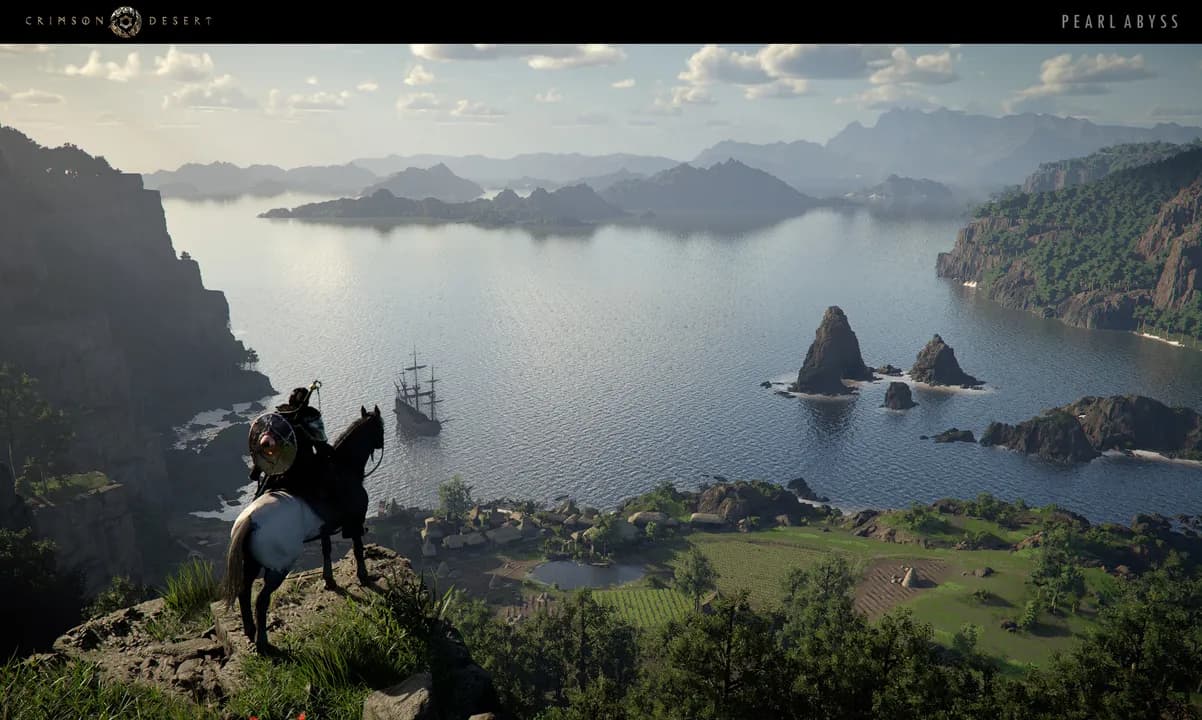
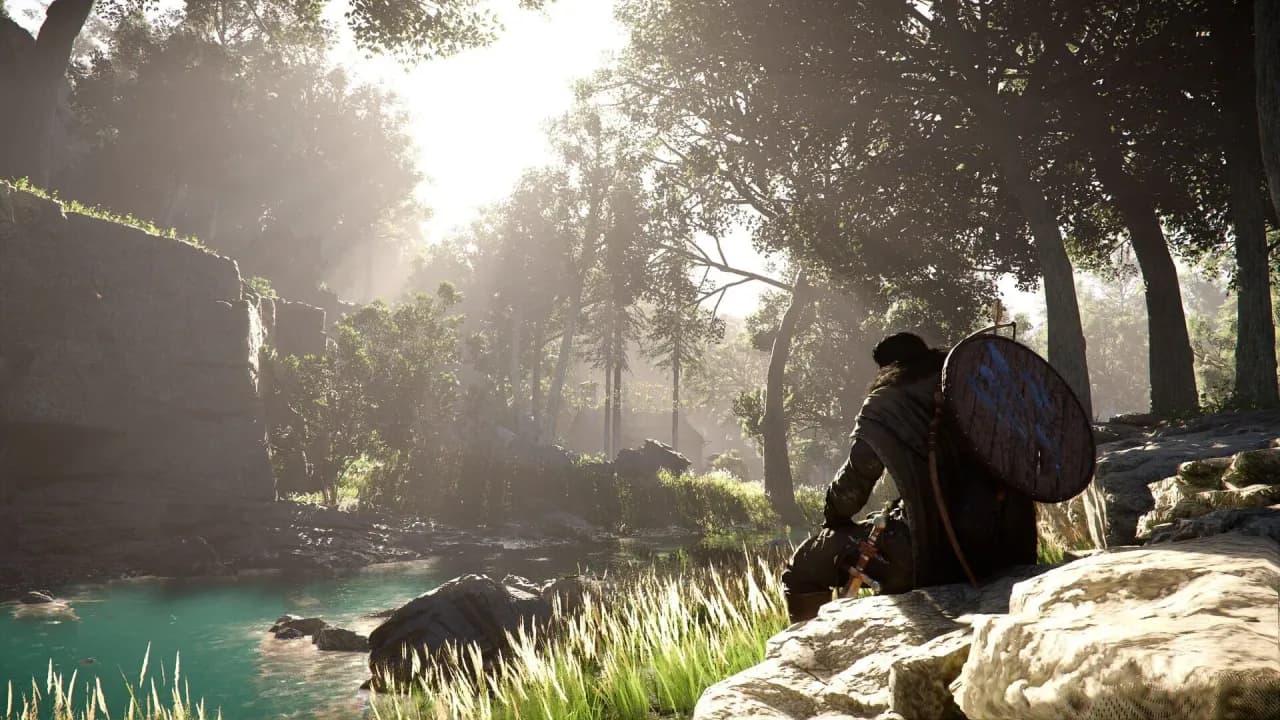
If the preview builds accurately reflect final performance, PC players can expect the same level of optimization they've seen in early coverage - which, by most accounts, looked solid. The previews showcased a visually impressive open world running smoothly, suggesting Pearl Abyss has done the optimization work necessary to handle both their ambitious game design and the DRM layer simultaneously.
However, there's always a gap between controlled preview environments and the wild variety of PC configurations in players' homes. Preview events typically run on high-end hardware, and even if Denuvo was present, that doesn't account for how the game will perform on mid-range or minimum-spec systems where DRM overhead might be more noticeable.
The question now is whether Pearl Abyss will consider removing Denuvo post-launch, a practice some publishers adopt after the initial sales period when piracy concerns diminish. Games like Doom Eternal, Metro Exodus, and Red Dead Redemption 2 all had Denuvo removed months or years after release, often to positive community reception. This approach treats DRM as a temporary measure rather than a permanent fixture, which tends to soften criticism from players who understand the business rationale for launch protection.
Pearl Abyss hasn't indicated whether they're planning a similar approach, but given the studio's history with Black Desert Online - a game that evolved significantly based on community feedback - there's at least precedent for them listening to player concerns post-launch.
Do you think preview performance with Denuvo is enough to ease concerns, or would you prefer the DRM wasn't included at all? And if the game runs well at launch, does that change your stance on Denuvo's presence?