

Gray Zone Warfare Spearhead Update Drives 1000% Player Surge
Community-driven overhaul transforms the tactical shooter's open world

Major Overhaul Revitalizes Tactical Shooter#
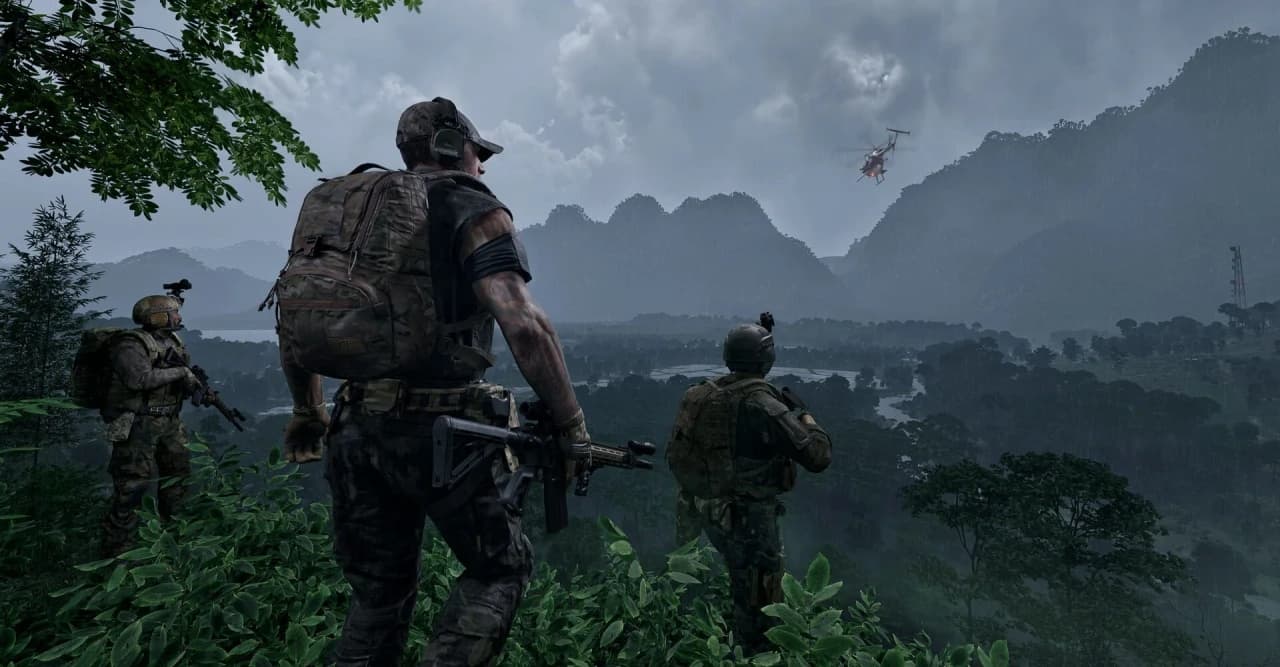
According to PCGamesN, Gray Zone Warfare has experienced a dramatic resurgence following its Spearhead update, with the developer reporting a 1000% boost in player count. The update represents a transformative moment for the realistic FPS, delivering significant changes to the game's open world based on community feedback.
Gray Zone Warfare launched into early access last year with ambitious promises: a hardcore tactical shooter set in a detailed open world, blending extraction shooter mechanics with persistent progression. The initial reception was mixed. While the gunplay and realism impressed mil-sim fans, the open world felt empty and directionless. Players complained about excessive downtime between engagements, unclear objectives, and a lack of meaningful content to justify the large map. Within weeks after launch, concurrent player counts had dropped sharply, a common fate for extraction shooters that can't retain their audience beyond the initial honeymoon period.
The Spearhead update marks a major milestone for the tactical shooter, which has struggled to maintain momentum since its early access launch. By focusing on community-driven improvements and overhauling core aspects of the open-world experience, developer Madfinger Games has successfully reignited player interest in the title. This isn't just a content drop or balance patch. It's a fundamental rework of how the game's world functions, addressing the core loop that many players found lacking.
Community-Led Development Pays Off#
The update's success highlights the impact of listening to player feedback during early access development. Madfinger Games spent months engaging with the community through Discord, Reddit, and official forums, gathering detailed feedback about what wasn't working. The studio didn't just collect complaints; they actively discussed potential solutions with players, creating a collaborative development process that's rare in the genre.
The Spearhead update (0.4) delivers extensive, documented changes that directly tackle these issues. It includes a complete redesign of the task system for greater replayability, over 100 new tasks/contracts, 25+ new locations with rebuilt POIs and new biomes, major improvements to loot distribution, AI behavior, and gunplay, plus extensive quality-of-life additions such as a dedicated onboarding zone and a 110-page Field Manual. The map now offers better flow and more dynamic exploration, significantly reducing downtime and tedious traversal.
The dramatic player count increase suggests these changes hit the mark. For context, a 1000% boost means the game went from lows of 2,000–4,000 concurrent players to peaks above 40,000 (having not broken 10,000 concurrent since mid-2025), a significant achievement for a niche tactical shooter. More importantly, early retention metrics look promising. Players aren't just checking out the update and leaving; they're sticking around for multiple sessions.
For a realistic military shooter in a crowded genre, maintaining player engagement is crucial. Gray Zone Warfare competes not only with established extraction shooters like Escape from Tarkov and Hunt: Showdown, but also with the broader tactical shooter landscape including Squad, Arma, and Ready or Not. Each of these games has carved out its own niche, and Gray Zone Warfare needed to clearly define what made it worth playing over the alternatives. The 1000% surge demonstrates that meaningful updates can breathe new life into struggling titles when developers prioritize community input and aren't afraid to make substantial changes to their original vision.

What This Means for Early Access#
Gray Zone Warfare's comeback story may serve as a blueprint for other early access titles navigating the challenging balance between vision and player expectations. The early access model has become increasingly common for multiplayer shooters, but it's a double-edged sword. Launch with too little content and you lose players before you can iterate. Launch with a flawed core loop and negative word-of-mouth can kill momentum permanently.
Madfinger Games' approach shows that transparency and responsiveness can overcome a rocky launch. Rather than doubling down on their original design or abandoning the project when numbers dropped, they pivoted based on data and feedback. This kind of flexibility is essential in early access, where the relationship between developer and community is more collaborative than traditional game development.
The question now is whether Madfinger Games can sustain this momentum with continued support. One successful update doesn't guarantee long-term health. The studio needs to maintain a steady cadence of improvements, continue engaging with the community, and avoid the content droughts that often plague early access titles. The extraction shooter genre is particularly unforgiving in this regard. Players expect regular updates, new content, and ongoing balance adjustments. Fall behind and they'll migrate to competitors.
The Spearhead update has bought Gray Zone Warfare a second chance, but the real test comes in the months ahead. Can the team deliver consistent updates? Will the new player influx stick around or treat this as a temporary curiosity? And most critically, can they build on this foundation to create something that stands out in an increasingly saturated market?
Are you jumping back into Gray Zone Warfare, or waiting to see if the player base sticks around? For those who wrote the game off at launch, this might be the moment to give it another shot. For those who never tried it, the timing couldn't be better. A healthy player count, fresh content, and a developer clearly committed to improvement make for a compelling package.