

Judge Orders Krafton to Reinstate Unknown Worlds CEO After Lawsuit
Delaware court rules publisher wrongfully seized control of Subnautica 2 studio
Court Rules in Favor of Subnautica Studio#
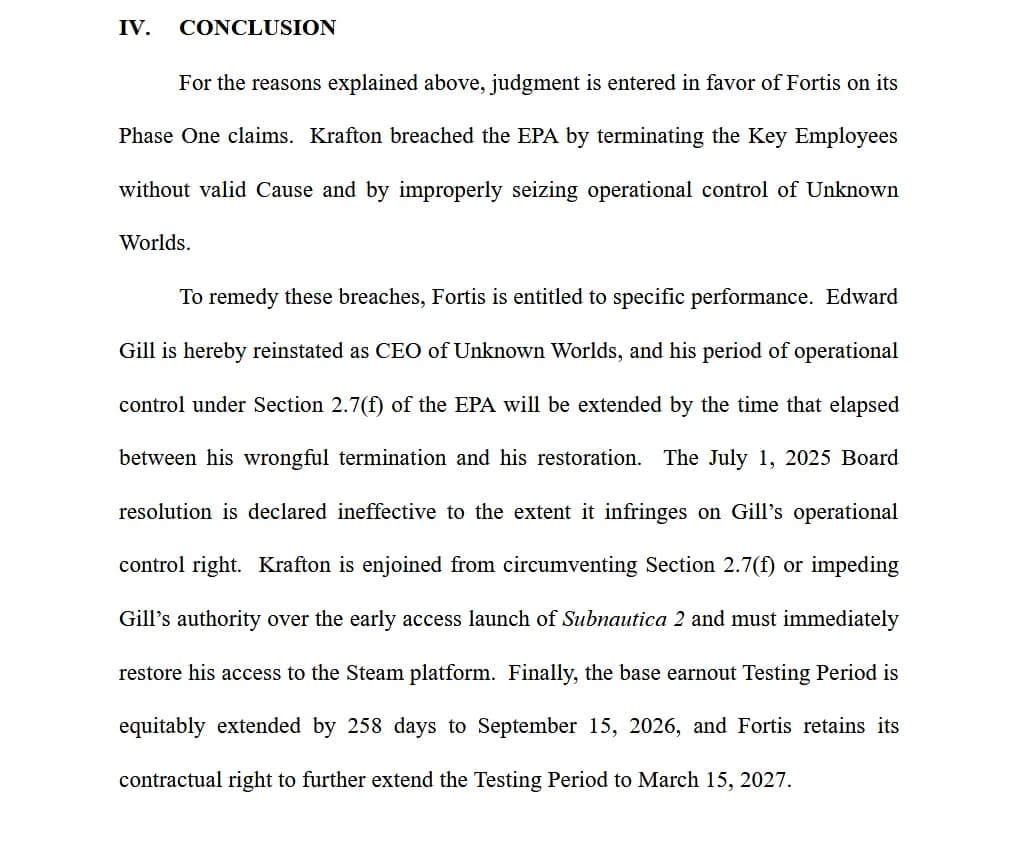
According to a Delaware court ruling, Krafton has been found guilty of "wrongfully usurping control" of Unknown Worlds Entertainment, the studio behind Subnautica and the upcoming Subnautica 2. The judge has ordered Krafton to restore the fired CEO and return control of the company to its original leadership.
The ruling stems from a lawsuit between the publisher and the studio over control and management of Unknown Worlds. As part of the court's decision, the studio has been granted an additional nine months to earn a $250 million bonus that was part of the original acquisition agreement. That's a substantial earn-out target, reflecting both the value Krafton saw in the Subnautica IP and the performance expectations tied to the deal.
For context, Krafton (the South Korean publisher best known for PUBG: Battlegrounds) acquired Unknown Worlds back in 2021. At the time, it seemed like a natural fit: a major publisher with deep pockets backing an indie studio with a proven track record. Unknown Worlds had built a dedicated fanbase with the original Subnautica, which sold millions of copies and became a staple of the survival-crafting genre. The acquisition was supposed to provide resources for bigger, more ambitious projects while letting the studio maintain creative independence.
This court ruling suggests that relationship broke down significantly. The fact that a judge found Krafton guilty of "wrongfully usurping control" indicates the publisher went beyond normal oversight and actively interfered with the studio's operations in ways that violated their agreement. Firing the CEO and seizing control isn't standard publisher behavior, it's a hostile takeover of a subsidiary you already own.
What This Means for Unknown Worlds#
The court's decision represents a significant victory for Unknown Worlds' leadership in their dispute with parent company Krafton. The reinstatement order and extended earn-out period give the studio's original management team another chance to meet the financial targets tied to their acquisition deal.
But beyond the legal and financial implications, this ruling could have major consequences for studio culture and morale. Game development is already stressful enough without leadership chaos and corporate power struggles. The developers at Unknown Worlds have been working under uncertain conditions, potentially with conflicting directives from ousted leadership versus Krafton-installed management. Getting the original team back could restore stability and creative vision, assuming relationships can be repaired after what was clearly an ugly dispute.
The nine-month extension on the earn-out is particularly interesting. Earn-out agreements are common in game studio acquisitions, they incentivize the original team to stick around and hit performance targets post-acquisition. A $250 million bonus tied to those targets suggests Krafton expected Unknown Worlds to generate serious revenue, likely through Subnautica 2 sales and possibly live-service elements or DLC. The extension implies the court recognized that Krafton's interference may have prevented the studio from fairly pursuing those goals under the original timeline.
Impact on Subnautica 2 Development#
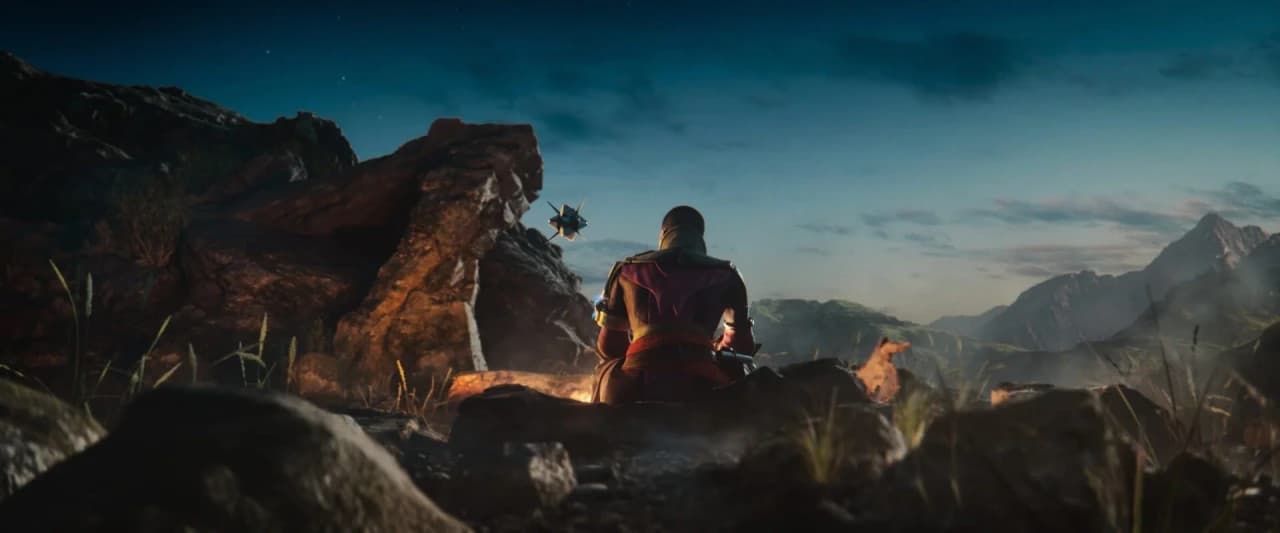
With leadership returning to Unknown Worlds, the studio will regain direct control over the development of Subnautica 2. The extended timeline may also affect the game's development schedule and release plans, though no official statements have been made regarding potential delays or changes.
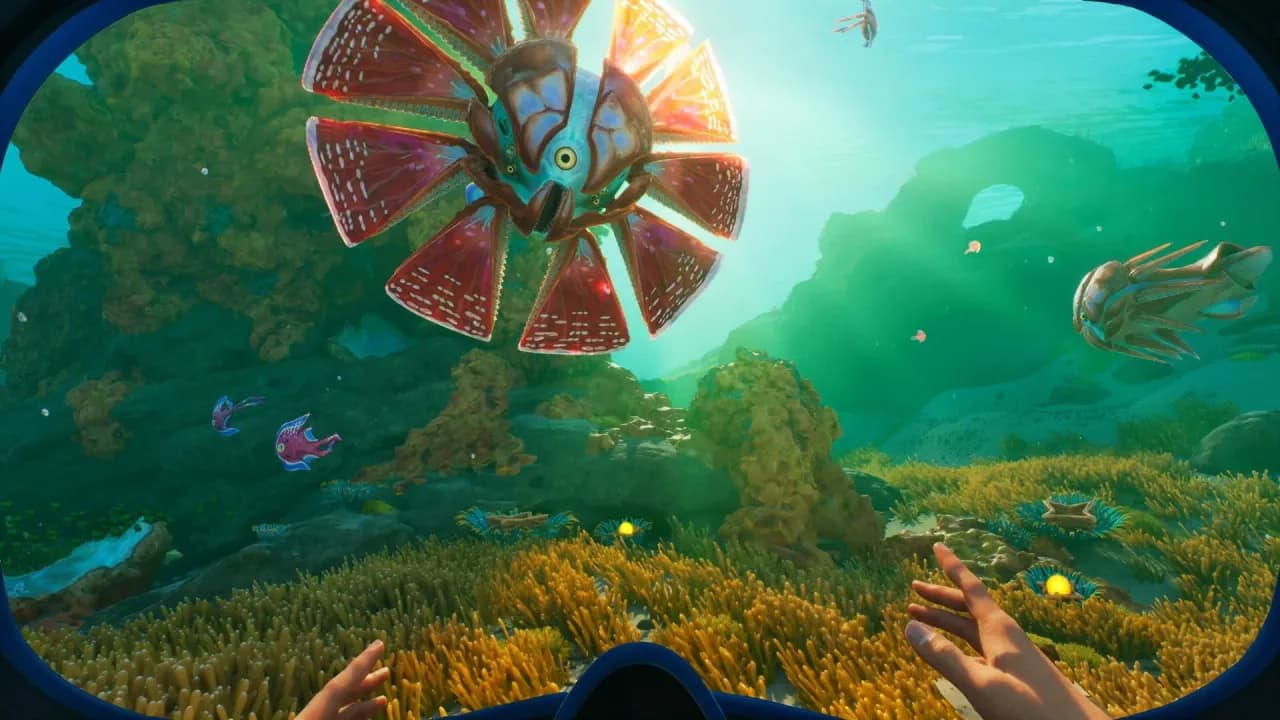
The first Subnautica succeeded because of its unique vision: a survival game that traded zombies and gunfights for underwater exploration and environmental storytelling. It had a distinct creative voice that resonated with players looking for something different in the survival-crafting space. Subnautica: Below Zero, the standalone expansion, maintained that vision while experimenting with new mechanics and a more narrative-focused approach.
Subnautica 2 has been positioned as a more ambitious sequel, potentially with co-op multiplayer, a feature fans have requested since the original game. That kind of technical leap requires careful planning and a clear creative direction. If Krafton's takeover disrupted development priorities, shifted resources, or imposed conflicting mandates, the game could have been heading in a direction that didn't align with what made the series special in the first place.
Now, with the original leadership restored, there's a chance to course-correct. However, development disruption is never clean. Months of work under different management may need to be re-evaluated or scrapped. Team members who left during the turmoil may not return. The studio will need time to regroup and potentially reassess their roadmap.
The lack of official statements about delays is telling. In situations like this, studios typically stay quiet until they've had time to assess the damage and formulate a plan. Don't be surprised if Subnautica 2's release window shifts once Unknown Worlds has a chance to take stock of where the project actually stands.
There's also the question of what happens to the relationship between Unknown Worlds and Krafton going forward. Legally, Krafton still owns the studio, they just can't run it the way they tried to. That's an awkward position for both parties. Can they work together productively after a court battle this public and this damning? Or will this lead to further disputes, maybe even Unknown Worlds pushing for full independence down the line?
For fans of the franchise, this ruling is probably good news in the long term. Creative teams generally make better games when they have autonomy and stability. But in the short term, expect uncertainty. Subnautica 2 is still coming, but the path to release just got a lot more complicated.