

Marvel Tokon: Fighting Souls Launches August 6, 2026
Arc System Works refining gameplay based on beta feedback ahead of summer release

Marvel Tokon: Fighting Souls Release Date Set for August 6, 2026#
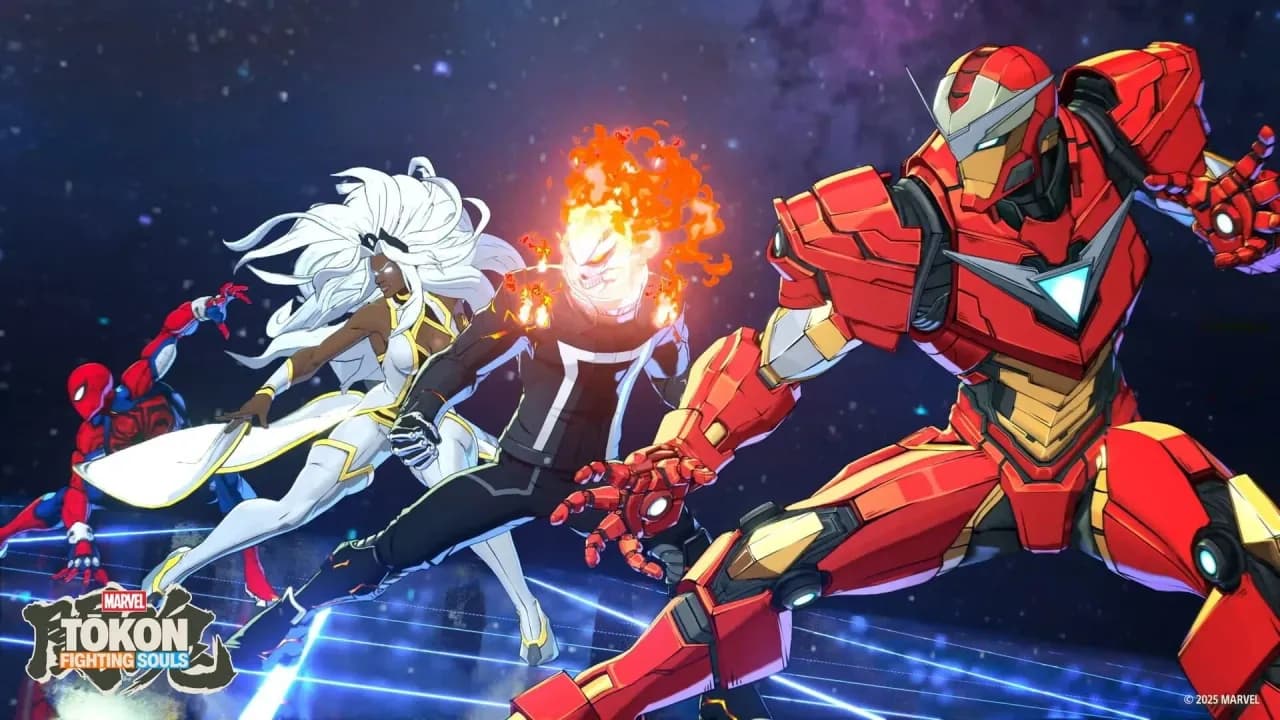
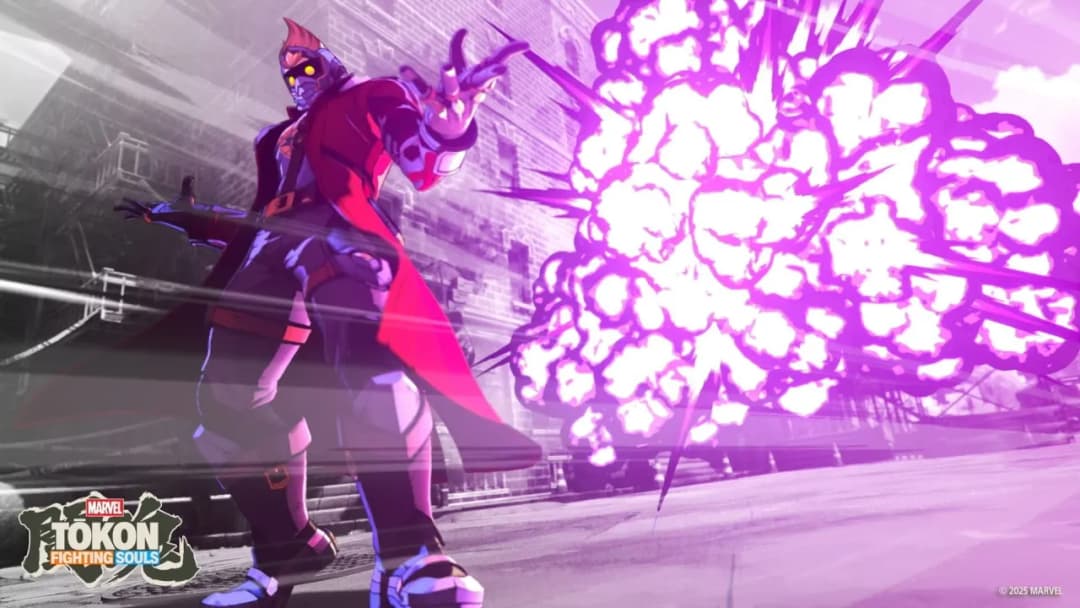
According to Push Square, Marvel Tokon: Fighting Souls will launch on August 6, 2026. Arc System Works announced the date during Sony's recent State of Play presentation, alongside confirmation that the studio is actively refining the game based on player feedback gathered during beta testing.
The Marvel fighting game has been in closed beta, with Arc System Works using player input to tune gameplay mechanics and balance ahead of the summer launch. The studio is known for its work on Guilty Gear and Dragon Ball FighterZ, bringing that same technical fighting game expertise to the Marvel universe.
What is Fighting Souls?#
Fighting Souls is a 2D fighting game that blends traditional arcade-style combat with modern mechanics and a distinctive anime-inspired aesthetic. Developed by indie studio Crimson Phoenix Games, it aims to capture the fast-paced intensity of classic fighters while introducing accessibility features for newcomers.
Fighting Souls Gameplay Mechanics#
The core combat system revolves around a four-button layout: light attack, heavy attack, special, and guard. This streamlined approach makes the game easier to pick up than traditional six-button fighters, but the depth comes from the combo system and character-specific mechanics. Each fighter has unique abilities that fundamentally change how they approach matches - some excel at rushdown pressure, others control space with zoning tools, and a few specialize in grappling or counter-based gameplay.
The special meter builds through both dealing and receiving damage, encouraging aggressive play rather than defensive turtling. Once filled, players can unleash devastating super moves or activate a temporary power-up state called "Soul Burst" that enhances speed and damage output. Managing this resource becomes crucial in high-level play, as burning meter early for a comeback attempt might leave you vulnerable later in the round.
Movement options include standard dashes, backdashes, and air dashes for certain characters. The game also features a universal "Soul Step" mechanic - a quick sidestep that costs a small portion of meter but can phase through attacks, creating opportunities for counterattacks. It's a high-risk, high-reward tool that separates skilled players from button-mashers.
Fighting Souls Character Roster#
The roster currently features 12 fighters, each with distinct playstyles and backstories woven into the game's lore. Character designs draw heavily from anime and manga influences, with exaggerated proportions and vibrant color palettes. The variety spans from sword-wielding warriors and martial artists to more unconventional fighters like a tech-savvy hacker who uses drones and a mysterious puppet master who controls multiple entities simultaneously.
Character balance has been a point of ongoing discussion in the community. While no single fighter dominates the competitive scene completely, some matchups feel heavily skewed. The developers have committed to regular balance patches based on tournament results and community feedback, though the small team size means updates arrive less frequently than in AAA titles.
Visuals and Art Style#
Fighting Souls uses hand-drawn 2D sprites animated at 60 frames per second, giving combat a smooth, fluid feel. The art style leans into bold outlines and saturated colors that pop on screen, making it easy to track the action even during chaotic exchanges. Special moves feature elaborate animations with screen-filling effects, though some players have noted these can occasionally obscure important visual information during critical moments.
Stage backgrounds are detailed and animated, ranging from urban rooftops at sunset to mystical temples and cyberpunk cityscapes. Each arena includes interactive elements and dynamic weather effects, though these are purely cosmetic and don't affect gameplay. The soundtrack mixes electronic beats with orchestral elements, matching the game's blend of modern and traditional fighting game sensibilities.
Online Multiplayer and Netcode#
The netcode uses rollback implementation, which has become the standard for modern fighting games. Connection quality varies depending on distance and infrastructure, but most players report solid performance within their region. Cross-play between PC and console versions was added in a post-launch update, significantly expanding the player pool and reducing matchmaking times.
Ranked mode uses a traditional point-based system with seasonal resets. Casual lobbies support up to eight players, allowing for king-of-the-hill style sessions and spectating. The training mode includes frame data displays and recording functions, giving competitive players the tools they need to lab out combos and practice specific scenarios.
Community Reception and Competitive Scene#
Fighting Souls launched to mixed reviews. Fans of traditional fighters appreciated the tight mechanics and stylish presentation, while some critics felt the roster was too small at launch and the single-player content was lacking. The story mode consists of basic arcade ladders with minimal narrative context, which felt underwhelming compared to the elaborate story campaigns found in bigger-budget titles.
The competitive community, though niche, remains dedicated. Regular online tournaments and local meetups keep the scene active, and several content creators have built followings around high-level gameplay and character guides. The game hasn't broken into major esports circuits, but it maintains a respectable presence at grassroots fighting game events.
Player retention has been a challenge. The initial surge of interest at launch tapered off as players migrated back to more established franchises. However, a core group of enthusiasts continues to push the meta forward, discovering new tech and optimizing strategies. The developers' commitment to ongoing support - including promised DLC characters and balance updates - gives hope that the community will grow over time.
Post-Launch Support and DLC Plans#
Crimson Phoenix Games operates as a small team of around 15 people, which shows in both the game's strengths and limitations. The passion for fighting games is evident in the mechanical design and attention to competitive balance, but resource constraints mean content updates arrive slowly. The studio has been transparent about their development roadmap, regularly communicating with the community through social media and developer streams.
Post-launch support has included bug fixes, balance adjustments, and quality-of-life improvements based on player feedback. The first DLC character released three months after launch, with two more planned for the coming year. Each addition aims to introduce new playstyles rather than simply padding the roster with similar fighters.
Fighting Souls represents the kind of project that thrives on word-of-mouth and grassroots support. It may not have the marketing budget or brand recognition of genre giants, but for players seeking a mechanically solid fighter with room to grow, it offers a compelling alternative. Whether it can sustain momentum long-term depends largely on continued developer support and the community's willingness to champion it.