


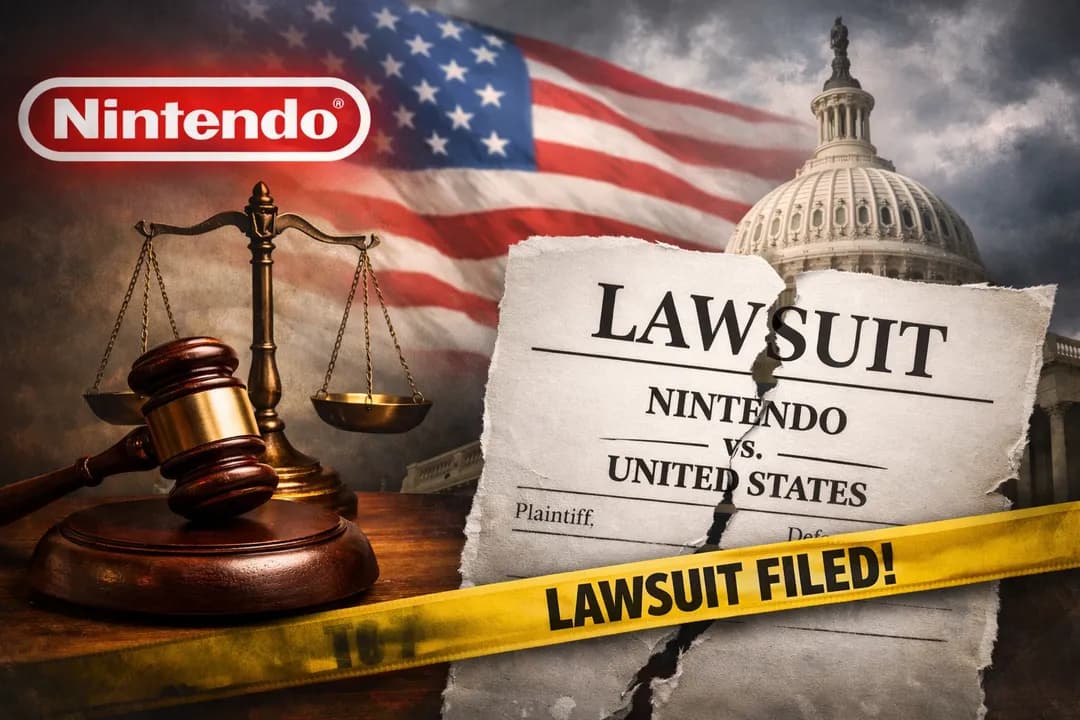
Nintendo Sues US Government Over Trump Administration Tariffs
Gaming giant challenges trade policy in Court of International Trade
Nintendo Takes Legal Action Against Federal Tariffs#
Nintendo has filed a lawsuit against the U.S. government in the Court of International Trade, directly challenging tariffs imposed by the Trump administration. The legal filing marks a significant escalation in the gaming industry's response to trade policies affecting hardware imports.
The lawsuit targets tariffs that impact Nintendo's ability to import gaming hardware into the United States. While specific tariff rates and affected products have not been detailed in the initial reporting, the action represents one of the most direct legal challenges from a major gaming company against federal trade policy. Given Nintendo's product lineup, the tariffs likely affect Switch consoles, Joy-Con controllers, and related accessories - all of which are manufactured overseas, primarily in China and Vietnam.
This isn't the first time the gaming industry has pushed back against these tariffs. Back when the initial rounds of tariffs were proposed, the ESA (Entertainment Software Association) submitted comments opposing them, and Sony, Microsoft, and Nintendo issued a rare joint statement warning about the impact on console pricing. However, those efforts focused on lobbying and public statements. Nintendo's lawsuit represents a shift from advocacy to direct legal confrontation.
Industry Implications#
Nintendo's decision to pursue legal action rather than absorb costs or pass them to consumers signals the company's stance on the long-term impact of these tariffs. The Court of International Trade specializes in cases involving international trade and customs laws, making it the appropriate venue for challenging import duties and tariffs.
The financial stakes here are substantial. Gaming hardware operates on notoriously thin margins - consoles are often sold at or near cost, with companies making their real profits on software sales and online services. Even a 10-15% tariff can completely eliminate those margins or force price increases that make consoles less competitive with other entertainment options. For Nintendo, which has built the Switch's success partly on its $299-349 price point, maintaining that pricing is crucial to market positioning.
The outcome of this case could have broader implications for the gaming industry, as other hardware manufacturers and publishers watch how the courts handle challenges to trade policies affecting their supply chains and pricing structures. If Nintendo succeeds in getting tariffs reduced or exempted for gaming hardware, it could open the door for similar challenges from Sony and Microsoft, or even peripheral manufacturers like Logitech, Razer, and Corsair who face the same import cost pressures.
There's also a competitive angle worth considering. If Nintendo wins relief while competitors don't, it creates an uneven playing field. Conversely, if the lawsuit fails, it might discourage other companies from pursuing similar legal strategies, leaving the industry to either eat the costs or raise prices across the board.
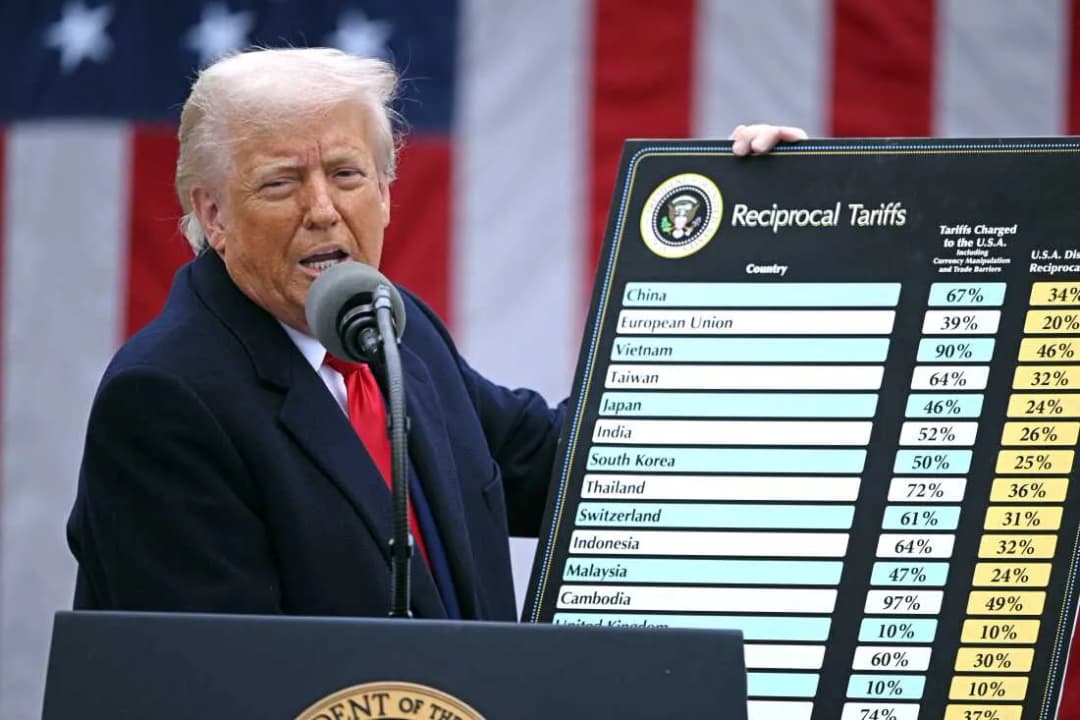
This legal battle comes at a time when hardware availability and pricing remain critical factors for the gaming market. Nintendo's willingness to engage in federal litigation underscores the financial stakes involved in these tariff policies. The company is also likely thinking ahead to its next-generation hardware - widely rumored to launch within the next year or two. Establishing favorable tariff treatment now could save hundreds of millions in import costs during a crucial launch window when pricing and availability will determine whether the Switch successor matches its predecessor's success.
The timing also matters for another reason: the global semiconductor shortage and supply chain disruptions of recent years have only just started to stabilize. Adding tariff costs on top of already-elevated manufacturing and shipping expenses creates a compounding effect that makes hardware economics increasingly difficult to manage.
What impact do you think this lawsuit could have on hardware pricing and availability?