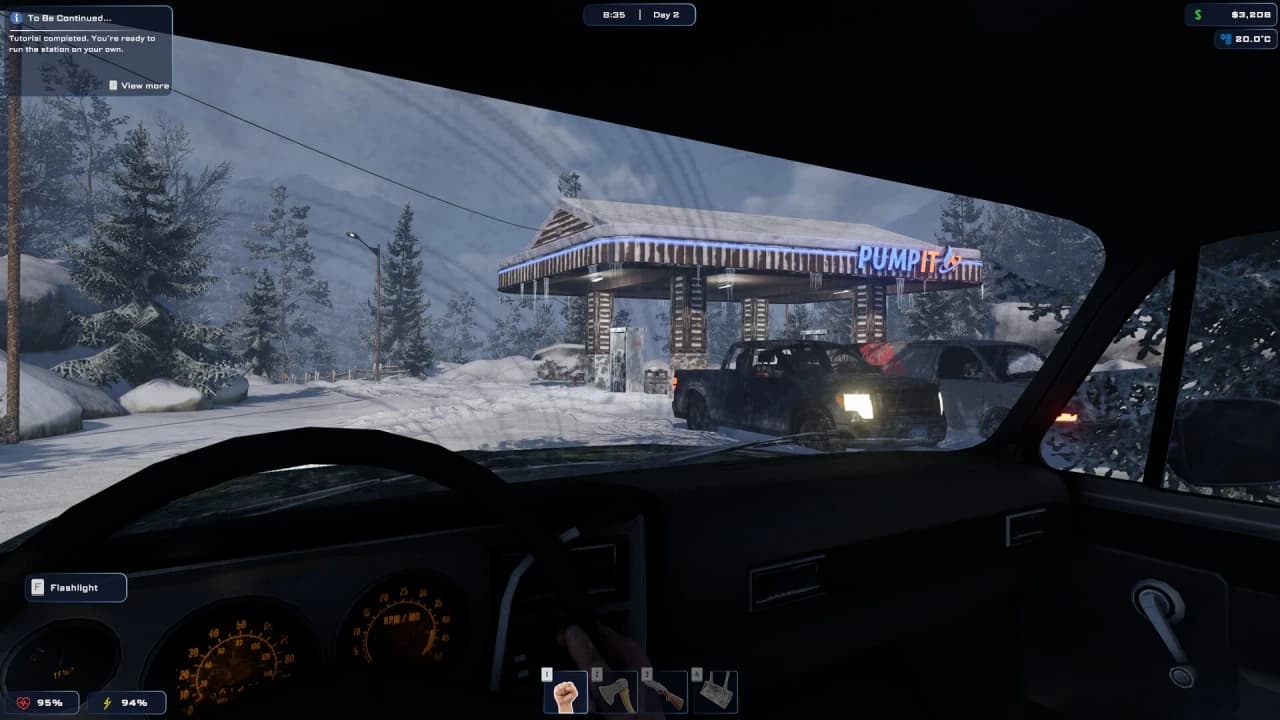


Pilgrim of Darkness Launches on PC with Heart Rate Monitor Integration
Horror game uses Pulsoid technology to adapt gameplay based on player's real-time heart rate

Horror Meets Biometrics#
Pilgrim of Darkness launched on PC on March 6, 2026, according to a developer press release. The horror game integrates Pulsoid technology, allowing it to monitor players' heart rates and adapt the experience accordingly.
The Pulsoid integration adjusts gameplay elements based on real-time biometric data. When your heart rate spikes during a particularly tense moment or jump scare, the game responds by modifying difficulty and scare intensity on the fly. Players will need compatible heart rate monitoring devices (think fitness trackers, chest straps, or smartwatches that sync with Pulsoid) to take advantage of this feature. Without one, the game still functions as a traditional horror title, but you'll miss out on the adaptive elements that form its core hook.
Adaptive Horror Experience#
The technology aims to create a feedback loop between player stress levels and in-game events. Rather than relying solely on scripted sequences that hit the same way for everyone, Pilgrim of Darkness uses physiological data to tailor the horror experience to individual players. If you're the type who gets genuinely terrified and your heart rate skyrockets, the game might dial back the intensity slightly to keep you in that sweet spot of dread without pushing you to quit. Conversely, if you're a horror veteran whose pulse barely budges during a monster encounter, expect the game to ramp up the aggression and throw more threats your way.
This approach represents a growing trend in horror gaming, where developers experiment with external inputs beyond traditional controllers. We've seen similar concepts before: games like Nevermind (2015) used biofeedback to increase difficulty when players panicked, and indie experiments have toyed with webcam-based fear detection. By tracking actual fear responses rather than assuming everyone reacts identically to the same scripted moments, the game can theoretically maintain tension without overwhelming or under-stimulating players. It's an interesting solution to one of horror gaming's persistent challenges: balancing scares for both genre newcomers and seasoned players who've seen every trick in the book.
The real question is execution. Biometric integration sounds compelling on paper, but it requires precise calibration. Too sensitive, and the game might misread your elevated heart rate from excitement or frustration as fear. Too lenient, and the adaptive system becomes meaningless window dressing. Early player feedback will be crucial in determining whether Pilgrim of Darkness nails this balance or whether the tech feels more like a novelty than a genuine enhancement to the horror experience.
Available Now#
Pilgrim of Darkness is available exclusively on PC through major digital storefronts. Players interested in the full biometric experience will need to set up Pulsoid-compatible heart rate monitors before diving in. The Pulsoid app itself is free and supports a wide range of devices, though you'll obviously need the actual hardware (which can run anywhere from $30 for basic fitness trackers to $200+ for premium options). If you already own a compatible device for fitness tracking, you're likely good to go after a quick setup process.
Have you tried horror games with biometric integration before? Does real-time heart rate monitoring sound like an interesting feature or an unnecessary gimmick? More importantly, would you trust a game to know when you're actually scared, or does the idea of your body betraying your tough-guy gamer persona sound like its own kind of horror?