


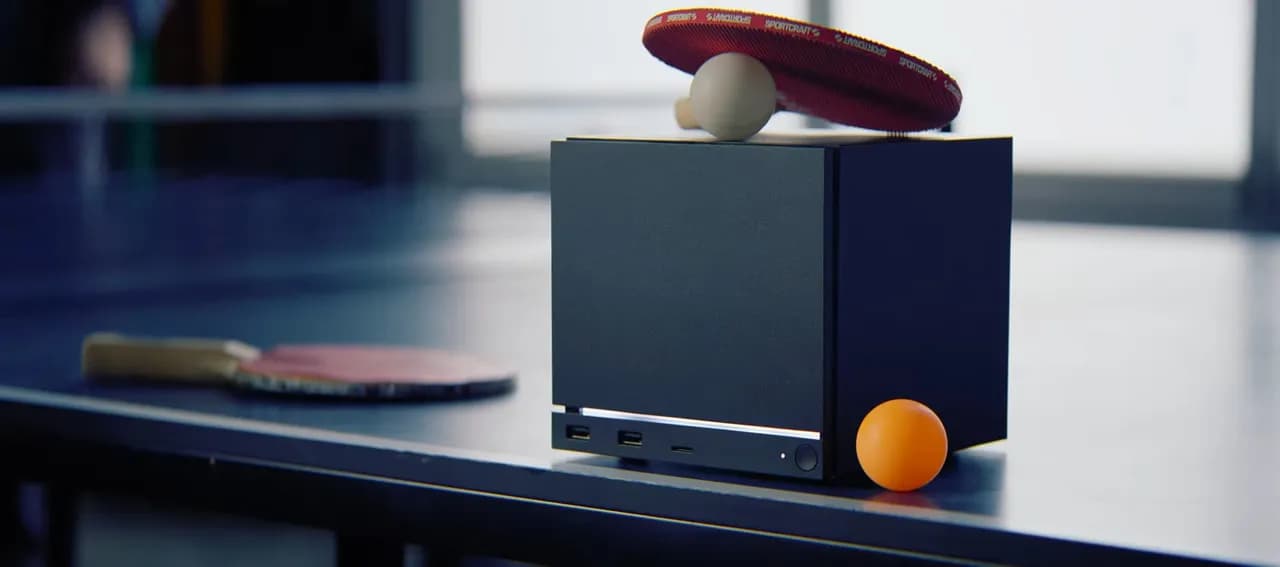
Valve Reaffirms 2026 Launch Window for Steam Machine Despite Supply Issues
Memory and storage shortages continue to challenge production timeline
Steam Machine Still on Track for 2026#
Valve has reaffirmed its commitment to launching the Steam Machine in 2026, according to an official statement from the company. Despite industry speculation about potential delays, Valve maintains the hardware will arrive within the previously announced window.
The confirmation comes as the company continues to navigate supply chain difficulties. Valve acknowledged that memory and storage shortages remain a significant challenge for the Steam Machine's production timeline. These component shortages have affected hardware manufacturers across the industry over the past several years, with GPU and high-speed storage availability proving particularly volatile. For a device positioning itself as a living room gaming solution, securing adequate quantities of fast SSDs and sufficient RAM at reasonable costs is non-negotiable. Compromising on either would undermine the entire value proposition.
Production Challenges Persist#
While Valve stands firm on the 2026 launch target, the ongoing supply constraints suggest the company is still working to secure the necessary components at scale. Memory and storage components are critical for gaming hardware, directly impacting performance and user experience. Modern AAA titles routinely demand 16GB of RAM as a baseline, with many recommending 32GB for optimal performance. Storage is equally crucial: games like Call of Duty and Baldur's Gate III can consume 150GB or more each, meaning anything less than a 1TB SSD would feel restrictive out of the gate.
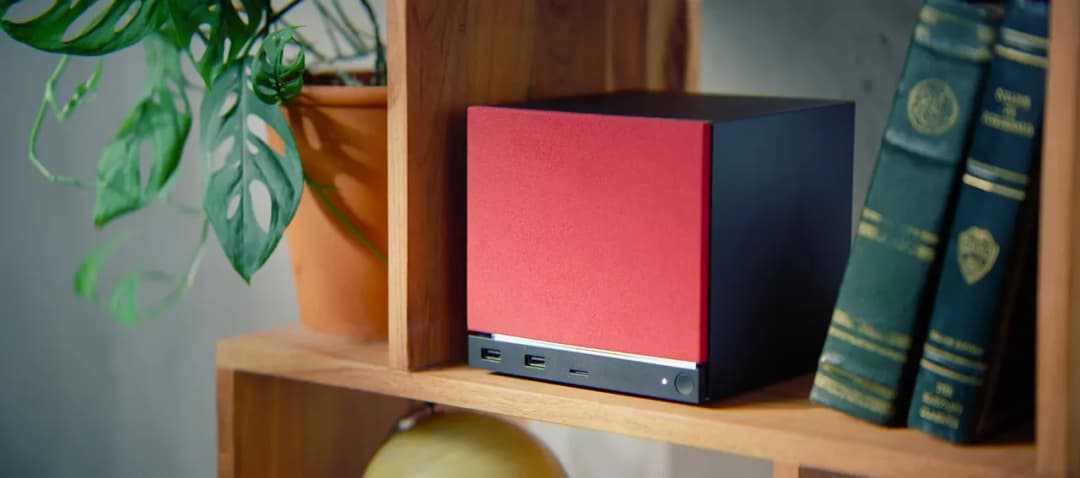
The Steam Machine represents Valve's return to dedicated gaming hardware following the success of the Steam Deck handheld. The device aims to bring Steam's ecosystem to the living room, though specific technical specifications and pricing have not yet been announced. This marks Valve's second attempt at cracking the living room market. The original Steam Machines, launched in 2015, failed to gain traction due to fragmented hardware specs across multiple manufacturers, limited game compatibility on SteamOS, and pricing that couldn't compete with consoles.
This time around, Valve enters with significantly more leverage. The Steam Deck proved that SteamOS can deliver a polished, console-like experience, and Proton compatibility has matured dramatically. Thousands of Windows games now run seamlessly on Linux-based systems. The question isn't whether the software ecosystem can support a living room device anymore, it's whether Valve can deliver compelling hardware at a competitive price point while PlayStation and Xbox continue to dominate the couch gaming space.
Valve's public commitment to the 2026 window suggests the company has confidence in resolving current supply chain obstacles over the coming months. However, the acknowledgment of these challenges indicates production may remain tight leading up to launch. If component availability doesn't improve, Valve may face difficult choices: delay the launch, accept lower initial stock levels, or compromise on specs to use more readily available parts. Given the Steam Deck's launch was constrained by limited availability for months, some supply tightness wouldn't be unprecedented for Valve. The difference is that the living room gaming market is far more competitive and less forgiving than the handheld space was when Steam Deck arrived.
Are you planning to pick up a Steam Machine when it launches? What features would make it a day-one purchase for you? For many, the answer likely hinges on performance relative to current-gen consoles, backward compatibility with existing Steam libraries, and whether Valve can keep the price reasonable without sacrificing the specs needed to run demanding titles at 4K or high refresh rates.