

Subnautica 2 CEO Claims Krafton Set Release Date Without Permission
Ted Gill reinstated after court ruling, disputes publisher's authority over launch timing
Legal Battle Precedes Release Date Controversy#
According to VGC, reinstated Unknown Worlds CEO Ted Gill has accused publisher Krafton of choosing Subnautica 2's release date without the studio's permission. Gill was recently restored to his position following a court ruling, and he's not holding back about what he sees as publisher overreach.
In a statement, Gill described Krafton's decision as "self-serving," claiming the publisher unilaterally set the launch date without authorization from Unknown Worlds. For a studio that built its reputation on creative independence during the original Subnautica's development, this kind of top-down decision-making represents a significant shift in how the team operates.
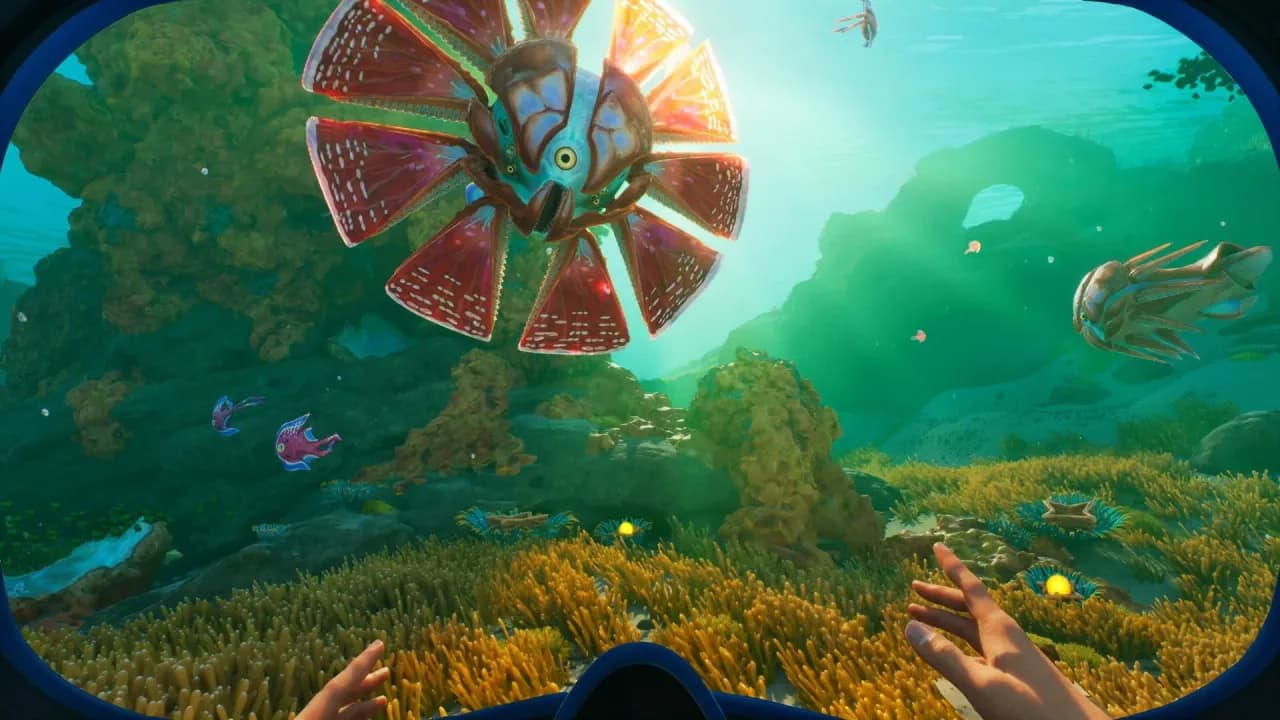
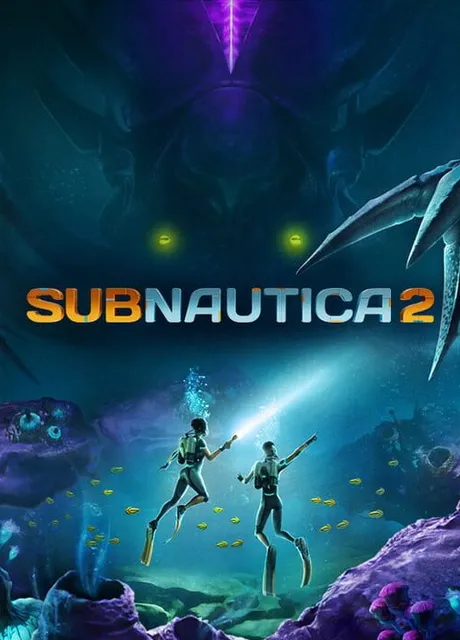
The dispute emerges as the highly anticipated underwater survival sequel approaches release. Subnautica 2 has been one of the most-requested sequels in the survival genre, with fans eager to see how Unknown Worlds expands on the formula that made the original such a phenomenon. The timing of this public conflict raises questions about whether the studio feels pressured to hit a deadline that doesn't align with their development timeline.
Court Ruling Restores Studio Leadership#
Gill's return to the CEO role follows legal proceedings that saw him reinstated by court order. The details surrounding his initial removal and subsequent reinstatement have not been fully disclosed, but the court decision appears to have restored his authority over studio operations. The fact that this dispute escalated to legal action suggests deeper issues between Unknown Worlds and Krafton than a simple disagreement over scheduling.
The conflict over Subnautica 2's release date suggests ongoing tension between Unknown Worlds and its publisher Krafton, which acquired the studio in 2021. Publishers typically control marketing and release scheduling as part of their investment in a project, but Gill's statement indicates this decision was made outside normal approval processes. In healthy publisher-developer relationships, release dates are collaborative decisions that balance market conditions with development realities. When a CEO publicly calls out their publisher for acting without authorization, it signals a breakdown in that partnership.
This isn't the first time we've seen acquisition-related friction in the industry. Studios that thrived under independence often struggle when corporate structures and quarterly earnings expectations enter the picture. Unknown Worlds spent years in early access refining the original Subnautica based on community feedback, a luxury that publishers don't always afford their teams.
What This Means for Subnautica 2#
Despite the internal dispute, Subnautica 2 remains in development as the follow-up to one of the most successful survival games of recent years. The original Subnautica and its standalone expansion Below Zero built a dedicated community around deep-sea exploration and base building, with the first game selling millions of copies across multiple platforms. The franchise's blend of survival mechanics, environmental storytelling, and genuine underwater terror created something special in a crowded genre.
The stakes are high for this sequel. Subnautica fans have specific expectations: a vast, interconnected ocean to explore, meaningful base-building progression, creatures that range from beautiful to nightmare-inducing, and that signature sense of isolation mixed with wonder. If Krafton is pushing for a release date that doesn't give Unknown Worlds time to deliver on those expectations, the community will notice. Survival game fans are particularly sensitive to rushed releases after watching so many promising titles launch in rough states.
Whether this public disagreement will impact the game's launch timeline or development remains unclear. Gill's reinstatement gives him leverage to push back on Krafton's decisions, but publishers ultimately control the purse strings. The situation highlights the complex relationships between studios and their parent companies in the modern gaming industry, where creative vision and business interests don't always align.
For players, the concern isn't just about delays or release dates. It's about whether Unknown Worlds will have the autonomy to make Subnautica 2 the game it needs to be, rather than the game that fits a fiscal quarter. The original succeeded partly because the team could iterate and respond to feedback without external pressure. If that development philosophy is being compromised, it could affect the final product.
What's your take on this publisher-developer conflict? Does it raise concerns about Subnautica 2's development, or do you think Unknown Worlds can navigate these corporate tensions while still delivering a worthy sequel?