


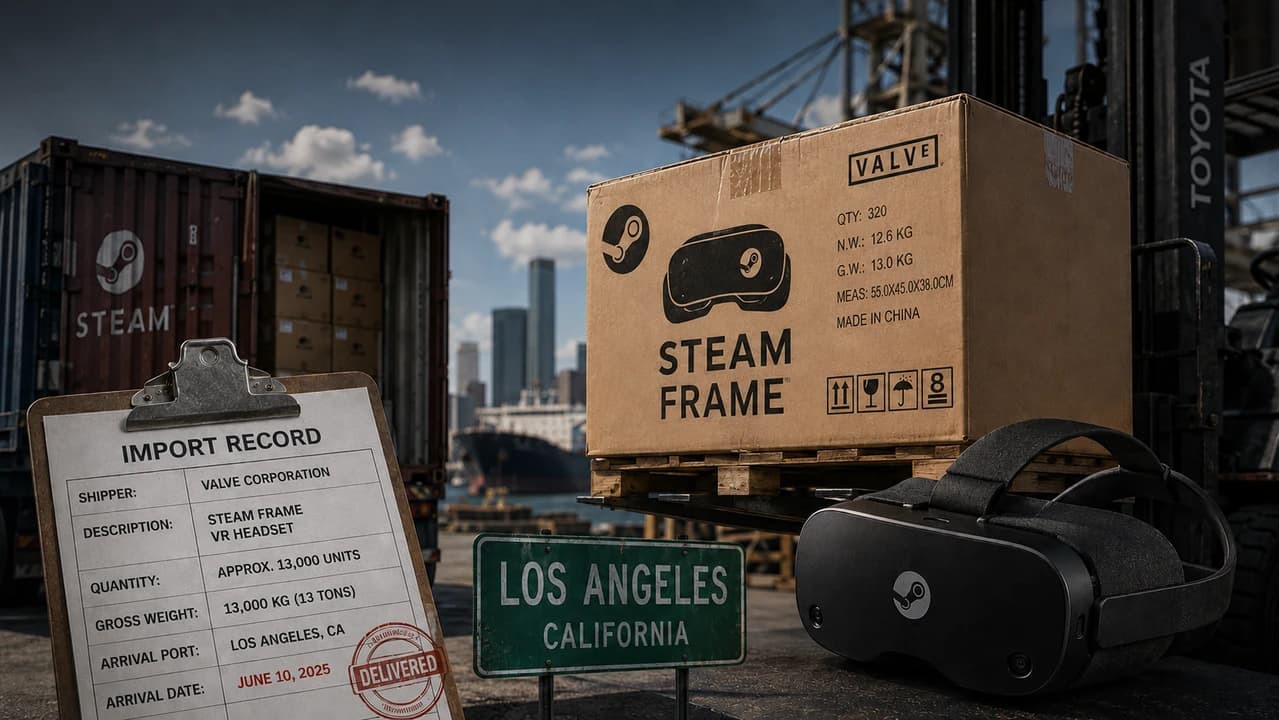
Valve Imports 13 Tons of VR Headsets in Single Shipment
Mass production of Steam Frame headset appears underway as import records reveal major Los Angeles delivery
Mass Production Begins#
According to The Verge Gaming, Valve imported approximately 13 tons of Steam Frame VR headsets to Los Angeles on June 10th. The import records analysis suggests the company has moved beyond prototype phases and begun mass production shipments of its new gaming headset.
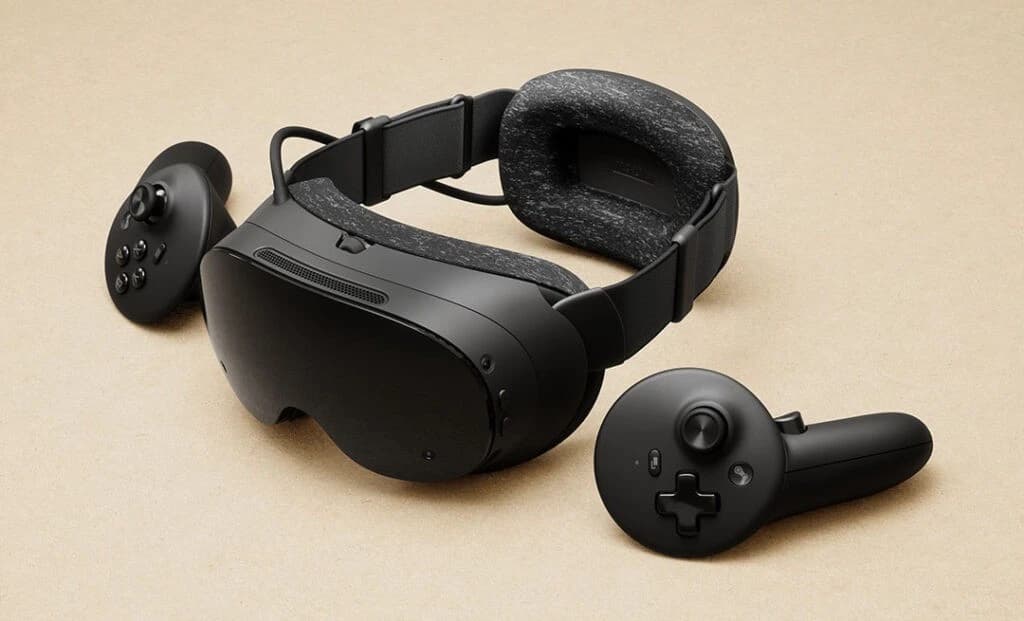
The Steam Frame represents Valve's latest entry into VR hardware following the success of the Index. While the company has not officially announced a release date, the scale of this shipment indicates preparation for a significant product launch.
What We Know#
The 13-ton shipment arrived at the Port of Los Angeles in a single day, marking one of the largest VR hardware imports tracked for Valve. Import records typically surface weeks or months before retail availability, suggesting the Steam Frame could reach consumers within the coming months.
This is actually how we first got solid confirmation that the Steam Deck was real and ramping up for launch - import records leaked well before Valve made any official retail announcements. If history repeats itself, a formal reveal or release window announcement could be close.
Valve has remained tight-lipped about Steam Frame specifications, pricing, and features. The company's previous VR headset, the Index, launched at $999 for the full kit and became a benchmark for premium PC VR experiences. That price point was a significant barrier for a lot of players, and it's one of the most discussed questions in the community right now: will Valve try to compete on price this time, or double down on the premium end of the market?
The Index set a high bar for tracking precision and audio quality, but it launched in 2019 and the hardware landscape has shifted considerably since then. Standalone headsets have matured, inside-out tracking has improved dramatically, and the average consumer's expectations around comfort and setup complexity have changed. Whatever the Steam Frame brings to the table, it's entering a very different market than the one the Index launched into.
Community Implications#
If Valve is preparing a major hardware push, it could signal renewed investment in VR software and platform features on Steam. Valve's VR catalog has always been a bit of a mixed bag outside first-party titles like Half-Life: Alyx, which remains one of the most technically impressive VR games ever made. A new headset launch would be a natural moment to push new VR titles or revisit the SteamVR platform itself, which has felt stagnant compared to Meta's more aggressive software rollout cadence.
The timing also positions the Steam Frame against Meta's Quest lineup and Sony's PlayStation VR2, both of which have established ecosystems and large installation bases. Meta in particular has been aggressive about pricing and accessibility, so Valve will need a compelling answer to why PC-tethered VR is worth the investment in 2025.
For the PC gaming crowd, the appeal is obvious: native Steam integration, access to the full SteamVR library, and the kind of hardware fidelity that standalone headsets still can't fully match. Whether that's enough to drive mainstream adoption is the real question.