

Guild Wars 3 Mission Statement Confirms No Pay-to-Win, No Subscription
ArenaNet commits to buy-to-play model as MMO and live-service boundaries blur
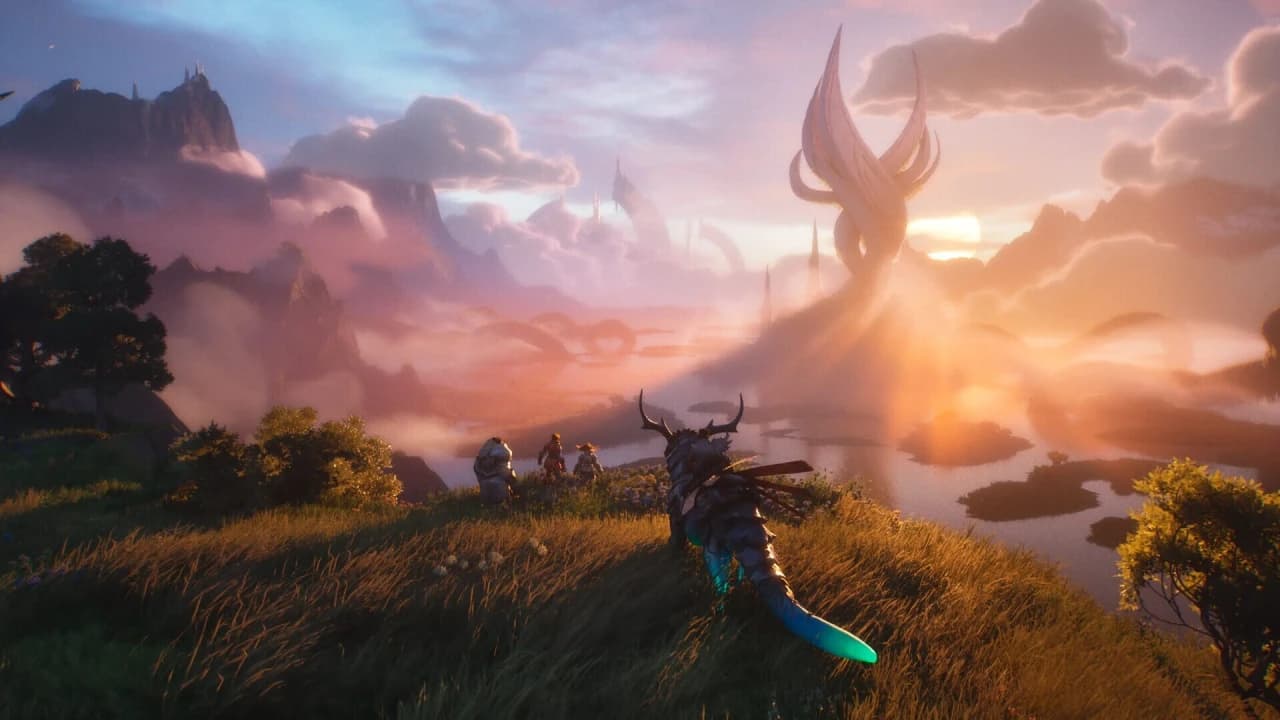
ArenaNet has published a statement titled "Our Guild Wars Philosophy" following Guild Wars 3's Summer Game Fest debut, where the game was revealed on June 5, 2026. The post, written by studio head and game director Colin Johanson and dated June 16, sets out four core pillars for the upcoming MMO, and one of them goes further than past commitments by explicitly ruling out battle pass subscriptions.
Four Pillars#
The statement isn't a narrow monetization pledge. It frames GW3 around four principles the studio says have defined its games for twenty-one years: no subscription fees, no pay-to-win, respecting players' time and investment, and innovating on the MMORPG genre rather than making a direct sequel.
The buy-to-play commitment is the headline most outlets have run with, and it's real: Guild Wars 3 will be buy-to-play at release with no subscription fee. This has been a cornerstone of the series since the original launched in 2005, when subscriptions were the genre norm, World of Warcraft, which had launched the year before, was the dominant subscription MMO of the era. Guild Wars 2 carried the philosophy forward in 2012.
The genuinely new commitment is how ArenaNet now defines a subscription. The statement argues that in many modern games the subscription hasn't disappeared so much as been reshaped, paid battle passes and recurring seasonal tracks, it says, often function as a new kind of ongoing fee dressed up as an "optional" package. ArenaNet's response is unusually specific: no monthly fees and no battle pass subscription fees. Players buy the game, and the studio will sell expansions and other optional items if it earns enough trust for players to consider them worth the investment.
That's a sharper line than the franchise has drawn before, and it directly addresses one of the most contentious trends in live-service monetization. It's also the most concrete promise in the entire post.
No Pay-to-Win, and Respecting Player Time#
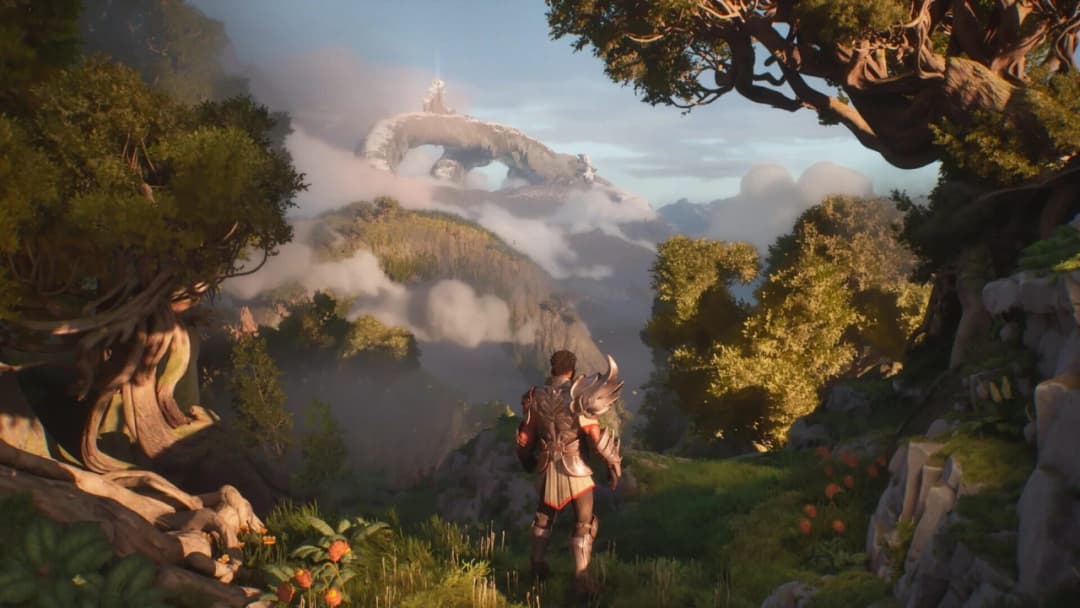
The pay-to-win pillar is essentially a restatement of the position ArenaNet took before Guild Wars 2 launched: players can spend money on cosmetics, account services, and time-saving convenience items, but spending money should never grant an unfair advantage over players who spend time.
The third pillar, respecting players' time, gets less attention but matters for lapsed and returning players. The statement pushes back on the "MMO as a second job" perception and reiterates a previously announced Hall of Monuments that will link Guild Wars 2 accounts to GW3 and reward existing players for their investment in the franchise.
A Different Market, By Design#
On the fourth pillar, ArenaNet acknowledges the shifting landscape, noting that "the lines between an MMO and a live-service game have blurred." Games like Destiny 2, Warframe, and Path of Exile have reshaped what players expect from ongoing online experiences, and the traditional expansion-and-patch cadence now competes with seasonal tracks, live events, and constant updates.
The studio is explicit that Guild Wars 3 is not a direct sequel. It positions the game between its two existing titles, Guild Wars Reforged, a largely instanced, small-team experience, and Guild Wars 2, built around massive open-world events, landing nearer the middle of the MMO spectrum, so all three can coexist as distinct experiences in the world of Tyria.
What This Means for Players#
Guild Wars 3 is ArenaNet's first numbered sequel since Guild Wars 2 launched in 2012, and the MMO space has changed dramatically since then. For lapsed players and veterans burned by aggressive monetization elsewhere, the no-subscription, no-battle-pass, no-pay-to-win stance is exactly the kind of early signal they were hoping for.
The open question is sustainability. Buy-to-play works when expansions and cosmetics fund ongoing development, but the math gets harder as expectations for content frequency rise. ArenaNet will need a monetization model that supports a modern live-service cadence without crossing the lines it has now publicly committed to, including the battle pass line, which leaves it less room than rivals to lean on recurring revenue.
How the studio balances live-service expectations against the franchise's founding principles will likely determine whether Guild Wars 3 becomes a long-term success or a cautionary tale. A beta is planned for Fall 2027, and ArenaNet says the specifics of its game and content systems will be detailed in the long campaign before launch.